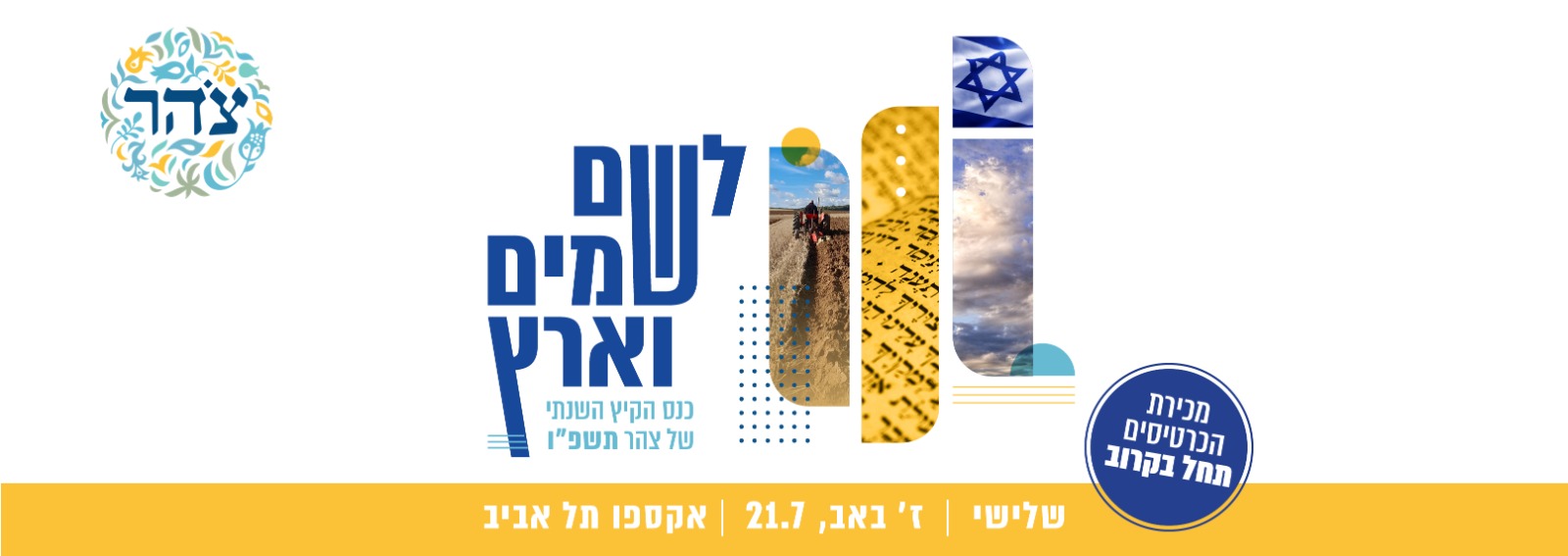

רבני צהר פועלים להנגשת שרותי הדת באופן המאפשר לכל יהודי להתחבר ליהדותו.
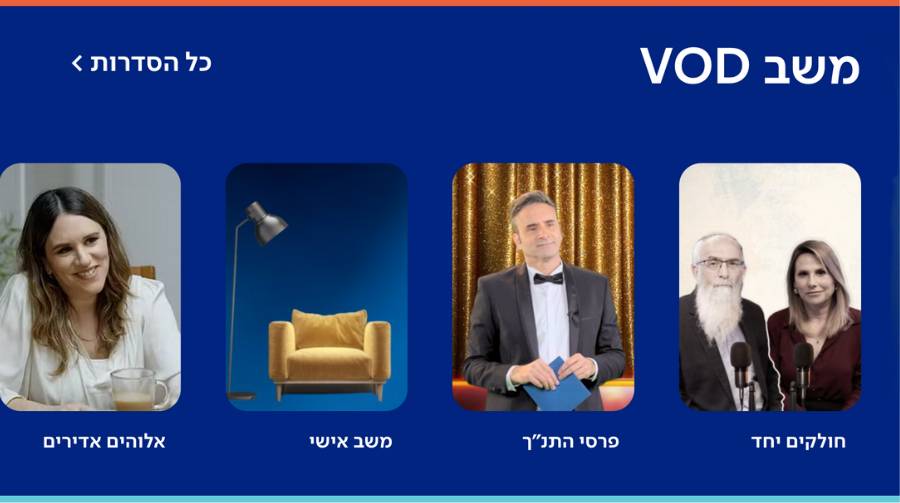
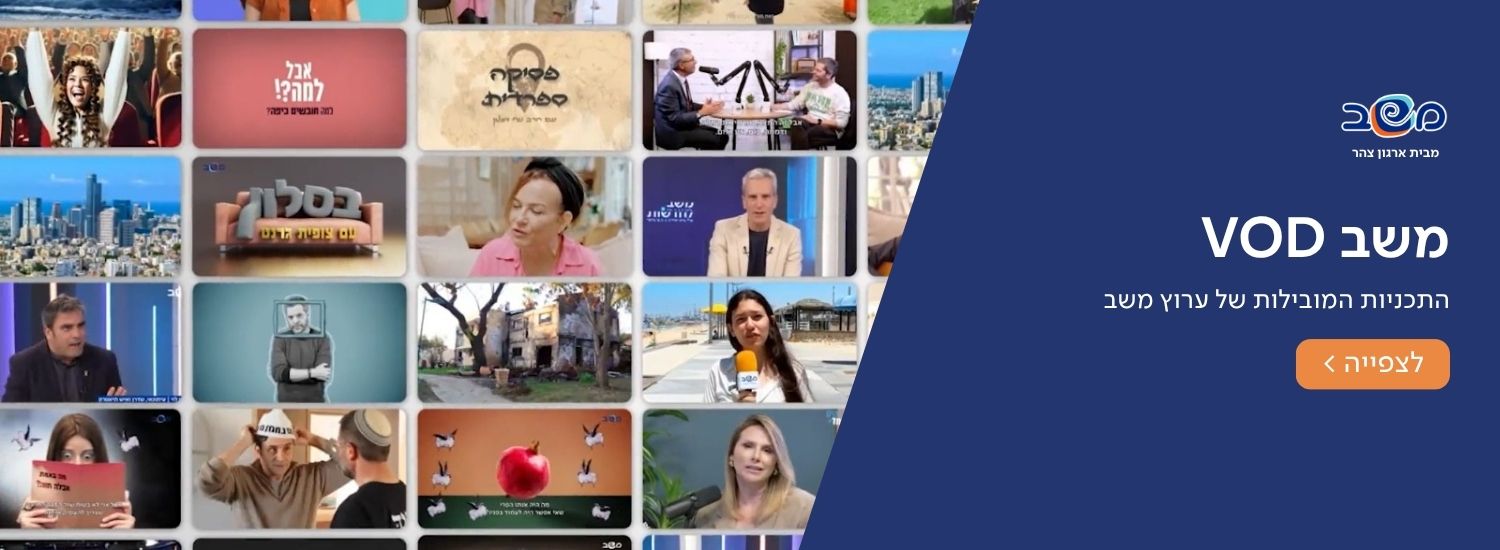
רבני צהר יוצרים תוכן יהודי רלוונטי המחבר את הציבור הישראלי לזהותו היהודית ולשורשיו.
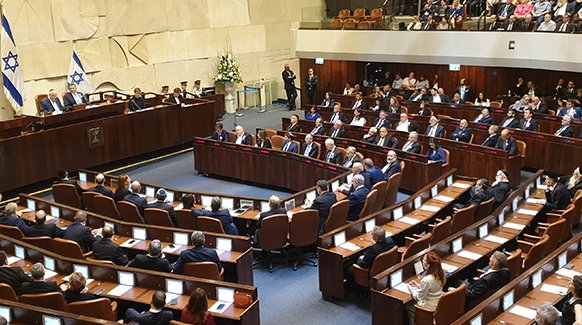
רבני צהר חותרים להרחבת ההסכמות על זהותה היהודית של מדינת ישראל במישור הפרטי והציבורי.
מעל 2.5 מיליון גברים, נשים וילדים בחרו לחגוג עימנו במנייני תפילה בחגי ישראל בכל רחבי הארץ באווירה מאירת פנים ומכילה ומחזקים את הקשר עם המורשת.
מעל 143,000 כלות וחתנים בחרו להשתמש בשירותי צהר לנישואין על מנת לקיים טקס נישואין הלכתי משמעותי.
יותר מ 1,350 מתנדבים ופעילים מקדישים מזמנם היקר למען עם ישראל.
למעלה מ-125,000 עולים ובני משפחותיהם הוכיחו את יהדותם ובזכות זה שמרו על זהותם היהודית ועל חלקם בשרשרת הדורות.
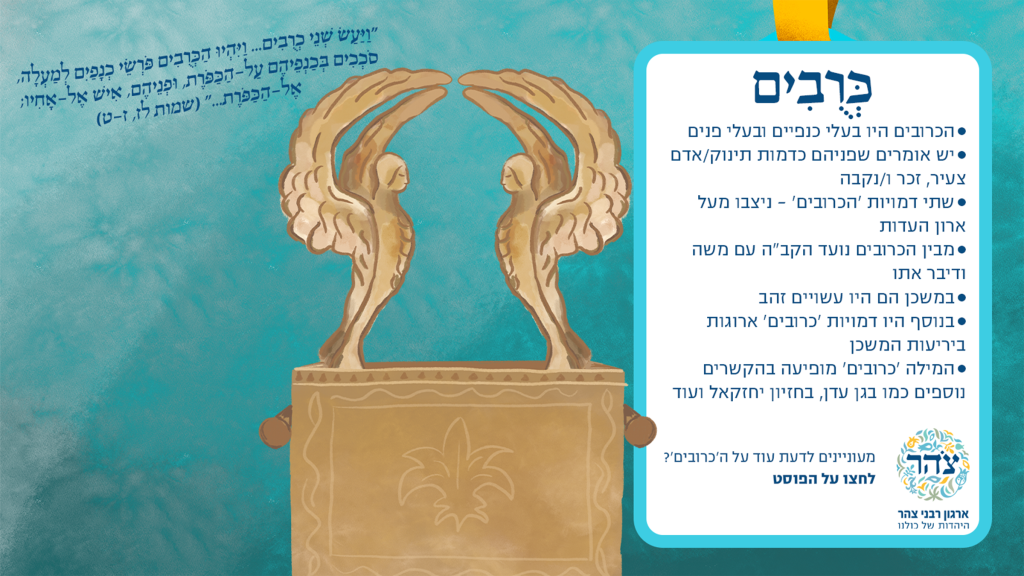
מהכתוב אנו לומדים על הכרובים שהיו בעלי כנפיים ובעלי פנים, אך ללא מידע נוסף. כבר בגן עדן שומעים על 'כרובים':" וישכן מקדם לגן עדן את הכרבים ואת להט החרב המתהפכת לשמר את דרך עץ החיים…" (בראשית ג,כד)
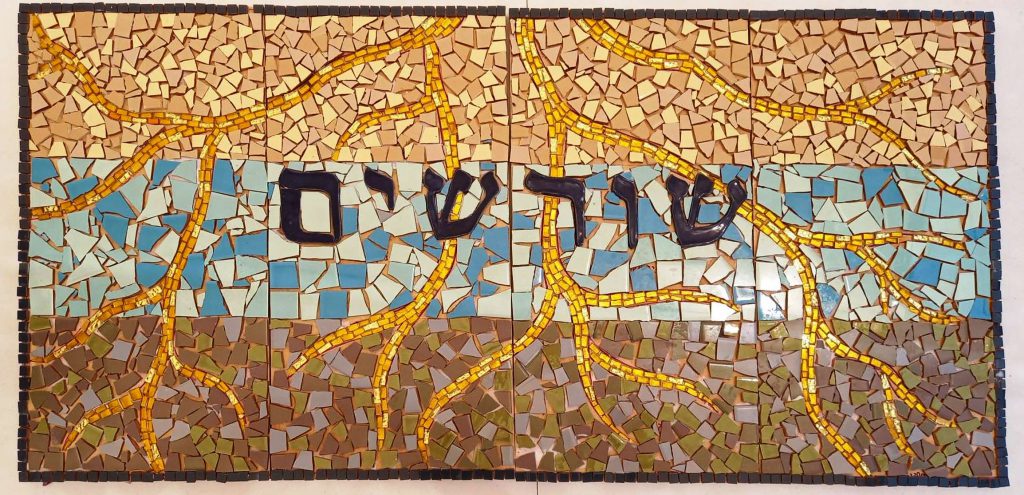
אגף שורשים פועל לסייע לעולים מברה"מ לשעבר, מרכז אירופה וארצות דרום אמריקה להוכיח את יהדותם בבתי הדין הרבניים. אנו נסייע לכם לעבור תהליך של בירור יהדות החל מסיוע בהשגת מסמכים וכלה בליווי עד בית הדין.
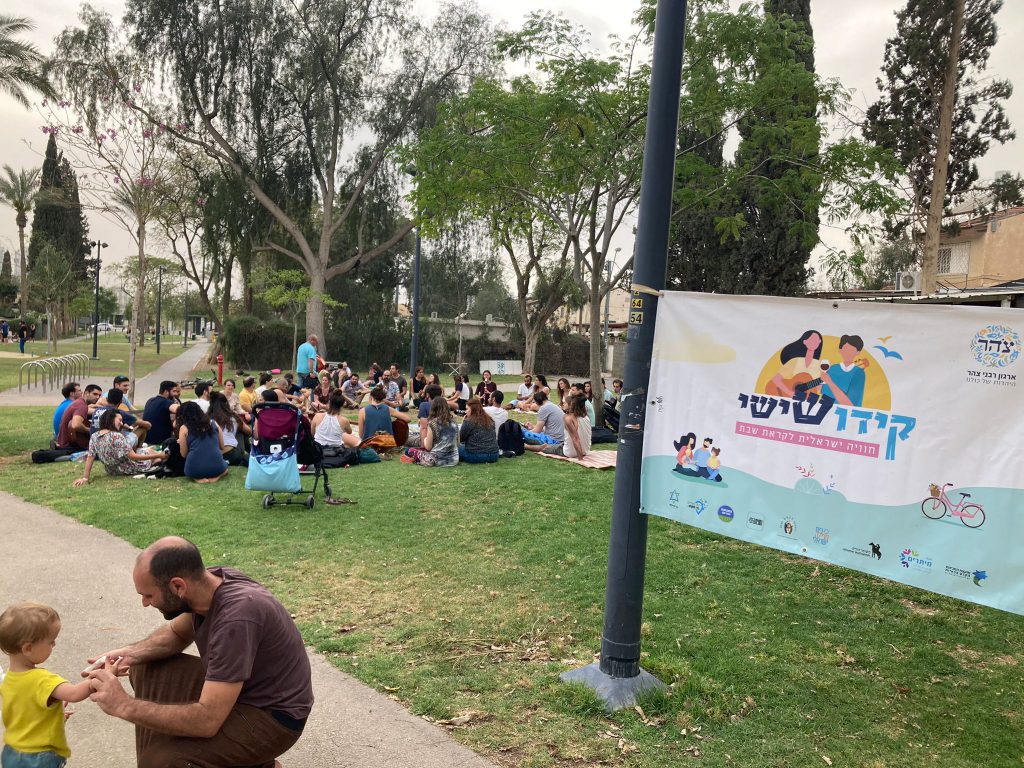
לפרויקט זה שותפות קהילות מכל רחבי הארץ, המקיימות בימי שישי קבלות שבת קהילתיות המשלבות שירה, תפילה ולימוד באוירה ישראלית. למפגשים אלו מגיע ציבור גדול ומגוון המעוניין לקחת חלק פעיל ביצירת תרבות יהודית ישראלית רלוונטית לחייו. קבלות השבת מתרחשות לרוב במרחבים פתוחים, אחת לחודש בחודשי הקיץ מפסח ועד לחגים.
ייעוץ אתי והלכתי בשאלות סוף החיים ודמציה לחולה ולבני המשפחה באמצעות מפגש עם רב ועובדת סוציאלית. הרצאות לאנשי מקצוע ולציבור הרחב, מחקר ופרסום הנחיות.

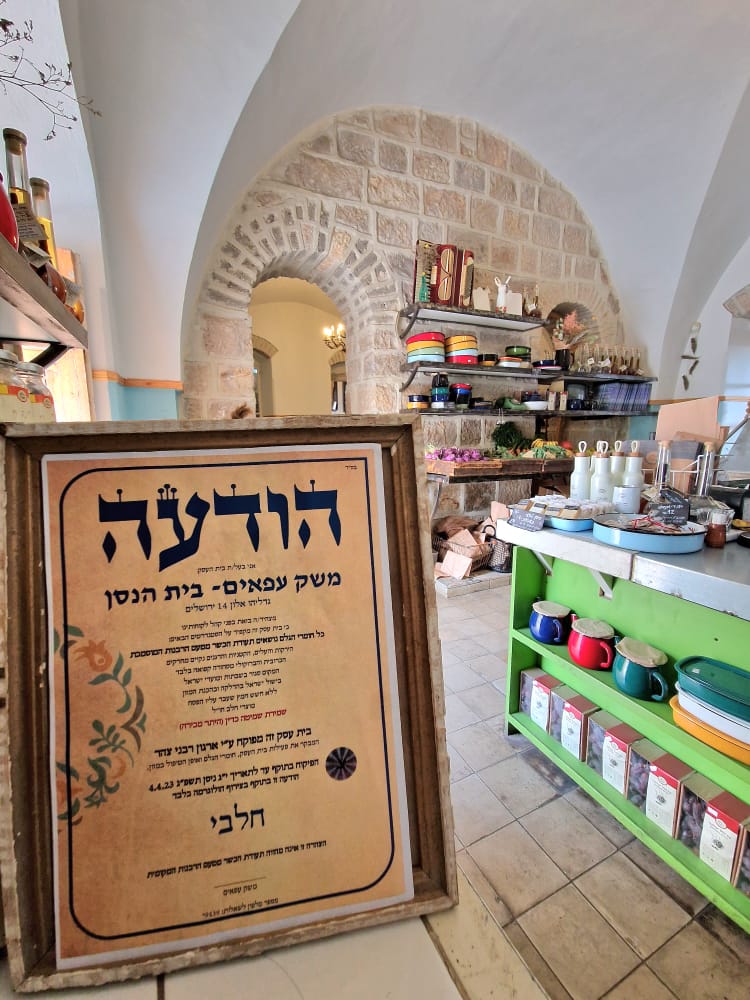
כשרות צהר מפעילים מערך כשרות העומד בקריטריונים של הלכה, אתיקה, שקיפות ואחידות. המערך מאפשר בקרה מלאה על עבודת המשגיחים ואיכות הכשרות, תוך הידברות וכבוד הדדי בין בעלי העסק לבין המערך.



 חתונה יהודית
 ערוץ משב - תוכן יהודי
 בר / בת מצווה
 בירור יהדות
 חגים
חגים כשרות
כשרות אבלות
אבלות מרכז האתיקה
 הסכמאהבה
 קידושישי
 עד 120